Durban’s Seafood Culture at a Glance
Why Durban Is a Seafood Lover’s Paradise
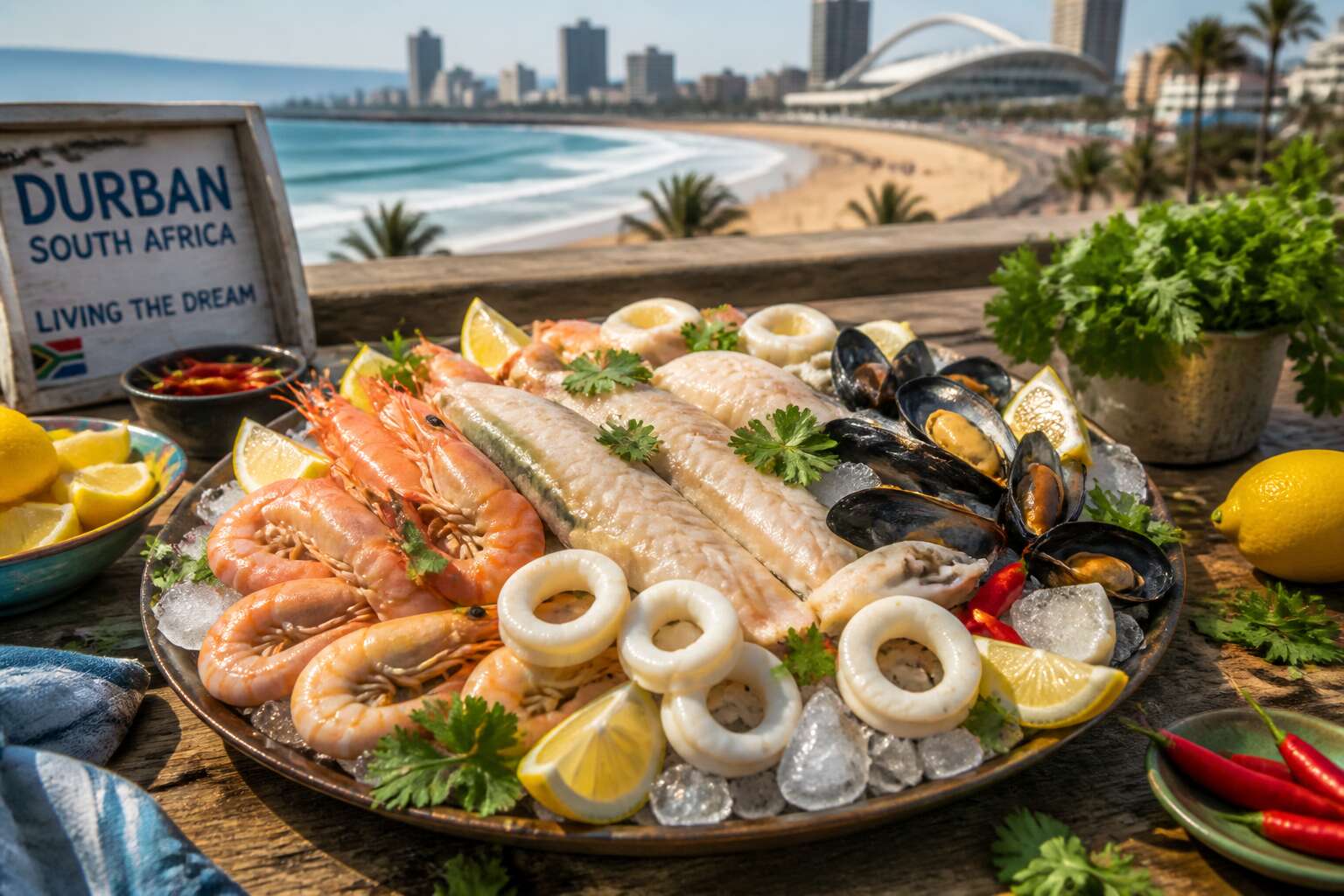
Durban’s connection to the ocean runs deeper than its famous golden beaches; it is the lifeblood of a vibrant culinary identity. Here, the Indian Ocean’s bounty meets a rich heritage of bold spices, creating a food culture where a simple catch becomes a celebratory feast. For many local households, the secret to an authentic, quick meal lies in the convenience of a quality frozen seafood mix Durban families have come to trust. It brings the taste of the shore straight to the kitchen without compromising on the freshest flavours.
This coastal city thrives on communal eating, where sharing a platter is a social ritual. The typical mix often includes:
– Plump prawns for a sweet, succulent bite.
– Firm calamari rings that soak up spicy sauces.
– Flaky white fish pieces for hearty, comforting curries.
What truly elevates the experience is the preparation. Tossed with a fragrant masala or grilled simply with lemon and garlic, these ingredients transform a weeknight dinner into something special. It speaks to Durban’s spirit: vibrant, resourceful, and always ready to turn the familiar into the extraordinary. The convenience allows more time for the fireside chats and family time that truly define the city’s warm atmosphere. Indeed, this frozen staple has become a modern cornerstone in a city that respects its maritime roots while embracing the ease of contemporary living.
The Coastal Fishing Heritage
How Frozen Seafood Fits into Local Cooking
Durban’s potjiekos, biryani, and bunny chow all owe a debt to the sea, but not everyone has time to scale a fresh catch after work. A frozen seafood mix durban style solves that with calamari, prawns, and fish pieces already cleaned and ready.
Locals toss it into a fiery masala sauce or simmer it in coconut milk for a quick curry. The mix holds up to bold spice, which is fortunate, because Durban food refuses to whisper.
- Add it to a tomato and chilli base for an impromptu prawn curry.
- Fold it into rice flour batter for crispy, spiced fritters.
- Drop it into a lemongrass broth with fresh coriander.
That flexibility makes frozen seafood mix durban a pantry regular, not a compromise.
Selecting a High-Quality Frozen Seafood Mix
Choosing a Quality Frozen Seafood Mix
When shopping for a frozen seafood mix in Durban, the label tells only half the story. The other half is in the texture and smell. A superior mix should feel firm, not mushy, and each piece should be individually frozen rather than clumped together in a solid block.
Look for these key indicators of quality:
– A short ingredient list with no added preservatives
– Clear origin details for the prawns, mussels, and calamari
– Packaging that is free from frost or ice crystals, which signal repeated thawing
The colour should be consistent and vibrant. Pale or discoloured pieces often indicate age or mishandling. Trust your nose as well. A fresh mix has a clean, oceanic scent, never an overly fishy or ammonia-like odour. I always check the harvest date when possible, as this determines the final taste more than any seasoning ever will. When you find a mix that passes these tests, you have found a reliable base for any dish. The right frozen seafood mix durban suppliers prioritise cold chain integrity from the boat to the store shelf, ensuring your meal starts with the best possible canvas.
Ingredients to Expect in a Reliable Blend
Most commercial seafood mixes are padded with water and binding agents. A reliable frozen seafood mix durban chefs trust contains four species and little else: prawns, calamari, mussels, and hake. That is the entire label.
When I inspect a blend, I expect a defined composition:
- Peeled and deveined prawns, never minced.
- Calamari cut into rings or tentacle pieces, not reformed chunks.
- Whole mussels free of shell fragments.
Proportions carry weight here. A consistent distribution of each species signals a processor who respects the product. The frozen seafood mix durban retailers choose to stock should hold a mild brine finish. Each piece tastes distinct, and no single flavour overpowers the rest.
Sustainable Sourcing and Local Seafood Suppliers
Traceability is the quiet obsession of the Durban fish market elite. When I inspect a supplier, I am analyzing the cold chain long before the taste test.
A reliable frozen seafood mix Durban suppliers trust should feel heavy and dense, with no crushed ice weighing down the bag. The real test is in the sourcing. The local longline fleets off the KZN coast operate under strict regulations. I look for a supplier who displays their shipping manifests. It is a subtle check of their sustainability protocols.
Consider their commitment to responsible bycatch limits. A good supplier will have transparent procedures.
– Local SASSI green-listed species indicate responsible management.
– The processing facility must be within 50 kilometers of the landing site.
This ensures the frozen seafood mix Durban restaurants prefer is never left in a thawing tank for hours. The texture remains firm, distinct, and safe.
Storage and Handling Best Practices
The difference between plump and rubbery is often just a few degrees. That frozen seafood mix durban cooks prize can turn into a sad, icy clump if you ignore the basics. Keep the bag at minus eighteen degrees Celsius or lower. Temperature swings cause the damage. I never let my seafood thaw on the counter. The fridge is the only legitimate staging area between frozen and the pan. Once opened, reseal the bag with firm pressure. Or follow these rules:
- Portion the mix before freezing. Refreezing a whole bag after partial use is a recipe for mush.
- Squeeze out all the air before sealing. Oxygen causes freezer burn.
- Write the date on the bag. You will not remember later.
Use the mix within three months. The seafood will thank you with firm, distinct pieces. Freezer burn is a crime, and you are the only judge.
Cooking with Seafood Mix in Durban
Thawing Tips for Frozen Seafood Mix
Home cooks in Durban know their frozen seafood mix durban deserves a proper thaw. The process sets the tone for the entire dish. Rushing it under hot water turns prawns rubbery and calamari tough, a culinary faux pas no Durban table should endure. Transfer the mix to the refrigerator overnight instead. For those who plan less, a sealed bag submerged in cold water works well, though it demands attention every thirty minutes.
Consider the thawing timeline carefully:
1. Overnight refrigeration preserves texture and flavour.
2. Cold water bathing suits last minute gatherings.
3. Cooking from frozen suits hearty curries where the mix simmers patiently.
Once thawed, pat the seafood dry with paper towel. This simple act prevents steaming and allows spices to cling properly, which matters greatly when your curry must impress. A well handled frozen seafood mix durban rewards the patient cook with tender bites and a sauce that tastes as intended.
Durban-Style Seafood Curry with Mixed Seafood
In a Durban kitchen, the preparation of a seafood curry is a ritual built on patience and layering. A quality frozen seafood mix durban cooks rely on allows for a spontaneous yet deeply satisfying meal, one that does not require a morning trip to the harbour. The key is to treat the thawed ingredients with respect, ensuring they are dry before they hit the pan.
To build the foundation, heat oil and sauté onions, garlic, and grated ginger until fragrant. Add your masala, turmeric, and a touch of ground coriander, allowing the spices to bloom in the hot fat. Introduce chopped tomatoes and a splash of coconut milk to create a rich, aromatic base. Once the gravy is simmering beautifully, gently fold in the prawns, calamari, and fish pieces.
The trick lies in the timing. Add the seafood last and cook only until just opaque, which usually takes five to seven minutes, depending on the heat. This method ensures the flesh remains succulent, absorbing the bold flavours without turning rubbery. Serve this vibrant curry with steamed rice or fresh roti, and you have a meal that captures the essence of coastal living.
Grilled and Braai Mixed Seafood Platters
There is a moment in every Durban kitchen when the back door flies open and the smell of charcoal drifts in with the humidity. That is the cue. You grab the bag of frozen seafood mix durban supermarkets have been stocking for years, and you realise the braai is no longer just for boerewors. This mixed bag, usually housing calamari rings, prawns, and firm white fish pieces, is the undisputed champion of the grill grid. You do not need a fancy fish market at 6 AM. You need a hot fire and a willingness to move things around.
The secret to a successful seafood braai lies in respecting the heat. Because the mix contains different proteins, you cannot just dump it on the grill and walk away. The fish will flake, the calamari will turn to rubber, and the prawns will dry out if you treat them like steak. Instead, aim for a medium-hot coal bed and oil the grill grate well. Toss the thawed mix in a bowl with lemon juice, a hefty pinch of salt, and a whisper of smoked paprika. Get your hands in there and mix it gently; you want the seasoning to cling without breaking the delicate fish pieces.
When the coals are ready, lay the pieces out in a single layer. Let them sear untouched for about three minutes. This is where the magic happens; the sugars in the marinade char and create that crispy edge everyone fights over. Then, flip them carefully using a flat spatula. The prawns will turn pink and curl, the fish will become opaque, and the calamari will firm up. Total time on the fire should not exceed seven minutes. Pull them off the moment they are cooked through and pile them onto a warm platter.
Here is a quick checklist for the perfect platter:
– Keep the pieces spaced out to avoid steaming.
– Use tongs, not a fork, to turn the seafood.
– Have a lemon wedge ready for a final squeeze.
Grilling a frozen seafood mix durban locals love is about more than just speed. It is about confidence. You are not hiding the fact that it came from the freezer; you are celebrating the convenience. The slightly smoky flavour from the coals adds a depth that a pan fry simply cannot replicate. Pair it with a crisp green salad or some garlic bread, and you have transformed a humble bag of frozen goods into a centrepiece that tastes like a beach holiday. The contrast between the charred exterior and the sweet, tender interior is what brings people back to the table, asking for the recipe. It is simple, it is fast, and it is proudly South African.
Quick Seafood Mix Pasta and Stir-Fry Meals
The weekday evening presents a question that no Durban cook takes lightly. You have come home with tired limbs and the sound of traffic still in your ears. The idea of preparing a complicated meal feels like a burden. This is where a bag of frozen seafood mix durban supermarkets offer becomes the quiet solution. It is not about showing off. It is about getting dinner on the table with a clear head.
The most forgiving method involves a hot pan and long pasta. Boil your spaghetti or linguine until it is just shy of tender. In a separate pan, heat a generous splash of olive oil with minced garlic and a pinch of chilli flakes. Add the thawed seafood mix directly into the sizzling oil. The proteins will release a little water, which is fine. Keep the heat high and let the liquid reduce into a light, briny coating. Toss the drained pasta through the pan with a handful of cherry tomatoes and fresh parsley. The cooking time is brief, so the texture remains pleasing. You get the satisfaction of a restaurant meal without the fuss.
Stir-frying offers a different kind of speed. The wok needs to be properly hot. This is the only way to get a slight char on the calamari and prawns. The process moves fast, so prepare your vegetables beforehand.
– Slice peppers, onions, and baby corn.
– Whisk a sauce with soy, honey, and a squeeze of lime.
– Keep the seafood separate until the vegetables are nearly done.
When you add the seafood mix to the wok, it should cook in under four minutes. Overcooking is the only real danger. The reward is a meal that feels fresh and vibrant. It is a practical way to bring the ocean to your table on a Tuesday night, and it requires no more skill than mastering a simple pan fry. The frozen seafood mix durban residents rely on becomes a regular part of the weekly rhythm, not an anomaly.
Pairing Seafood Mix with Traditional South African Sides
Some claim the bunny chow is the only true Durban food marriage Top billing goes to the curry, of coursecompress your time. The crumbly texture demands a steady handdry coastal air. Spoon the seafood mix over the bread, let the gravy soak in, and you have a meal that ignores pretension entirely. On the other side of the spectrum: pap and sheba. The soft maize porridge needs a saucy companion, and the seafood mix, simmered in tomato and onion, delivers. It is not fancy. It is filling. Use the pap to push the seafood around the plate and catch every last drop. For something lighter, consider a simple tomato and onion relish. Served with braaied bread, it turns the mix into a casual lunch. The locals know the versatility. The frozen seafood mix durban cooks buy is not restricted to one pot or one tradition. It works within the existing rules of the kitchen.
Buying and Storing Seafood in Durban
Best Fish Markets in Durban for Frozen Seafood
The Durban Fish Market at the Point Waterfront hums before sunrise, and for good reason! Vendors here stock a reliable frozen seafood mix durban, often packed straight from the trawlers. You will find calamari rings, prawns, and hake pieces, all flash-frozen to preserve their briny character.
- Check for ice crystals on the packaging, which signal temperature fluctuations.
- Ask the vendor when the batch was frozen, not just when it arrived.
- Compare prices per kilogram across stalls, as they vary noticeably.
For a broader selection, the Essenwood Market on Saturdays hosts smaller producers, though the harbour remains the primary hub. The cold chain at these markets is what makes the difference, so buy from stalls with visible freezers and steady turnover.
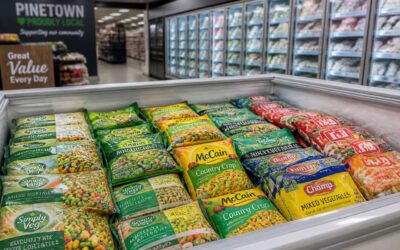
Supermarkets with Dedicated Frozen Seafood Sections
The Durban Fish Market at the Point is a study in efficiency. The action peaks before sunrise, when the trawlers offload their catch. For home cooks, the real treasure sits in the glass-fronted freezers near the back. This is where you find the frozen seafood mix Durban relies on for quick, flavourful meals. The selection typically includes calamari rings, prawns, and hake pieces, all frozen individually to prevent clumping.
The quality of a frozen seafood mix depends almost entirely on the cold chain. From the boat to the processing plant, and then to the retailer, the temperature must remain consistent. A break in this chain produces large ice crystals inside the packaging. These crystals signal that the product has thawed and refrozen, which degrades the texture and flavour. When you inspect the bag, look for a clean, loose product. If the pieces are stuck together in a solid block, treat it with suspicion.
Ask the vendor a specific question. Do not ask when the mix arrived at the shop. Ask when the seafood was frozen. The answer tells you about the processing timeline. A product frozen at sea, or within hours of landing, will have a fresher taste than something frozen days later. Local operations often freeze their catch quickly, which is a distinct advantage when you are buying a frozen seafood mix Durban has to offer.
Price per kilogram varies significantly across the market. Vendors set their own rates, and the gap between the cheapest and most expensive option can be substantial. The higher price often reflects a higher ratio of prawns to fish. Cheaper blends tend to contain more hake and fewer premium items. Decide what your meal requires before you compare prices.
The harbour is the primary source, but it is not the only option. The Essenwood Market on Saturdays hosts smaller suppliers who operate on a different scale. These vendors often sell directly from insulated coolers, and their stock turnover is quick. The selection might be smaller, but the product is frequently just as good. The key remains the same. Confirm the product is solidly frozen and that the packaging shows no signs of moisture or damage.
Here are the signs of a properly handled mix:
– Pieces are individually frozen and move freely in the bag.
– The packaging is free of frost or ice build-up on the inside.
– The seafood has a clean, mild scent, not a strong fishy odour.
– The prawns are intact, not broken or missing their shells entirely.
Whether you shop at the harbour or the weekend market, the principle holds. The frozen seafood mix Durban vendors sell is a convenient staple, but only when the handling is correct. Trust the vendor who answers your freezing questions directly and allows you to inspect the product closely. A reliable source becomes a regular stop, ensuring your seafood stew or pasta has a solid foundation every time.
Online Seafood Delivery Services in Durban
Reading Labels and Certifications for Frozen Seafood
A packet of frozen seafood mix durban can hold more ambiguity than shellfish. Roughly one in three seafood products is mislabelled globally, and Durban markets are not immune. The label is your first defence.
I always tell shoppers to turn over the bag and look beyond the photograph. Seek the scientific species name, not just the colloquial term. Check the catch location, vessel type, and processing date. Local catches from KwaZulu-Natal should not carry unnecessary additives.
Certifications simplify this.
- MSC (Marine Stewardship Council) confirms sustainable fishing.
- SASSI (Southern African Sustainable Seafood Initiative) rates ecological status.
- HACCP certification signals rigorous safety standards.
These markers matter. Durban’s harbour takes in product from both the Atlantic and Indian Ocean, so the provenance of your frozen seafood mix durban depends on paperwork as much as cold storage.
Freezer Storage Tips to Maintain Freshness
Buying and Storing Seafood in Durban: Freezer Storage Tips to Maintain Freshness
The real challenge with a frozen seafood mix durban shoppers bring home isn’t the initial purchase; it is the storage. Most people assume that throwing a bag into the freezer is the end of the story. In reality, temperature fluctuations inside a standard home fridge freezer are the primary enemy of that delicate texture. If you are not careful, ice crystals form and shred the fish cells, leading to a mushy, watery result when you finally cook it.
To keep that blend tasting like it just came off the boat at the harbour, you need to manage the environment it lives in.
– Set your freezer to a consistent -18°C or lower. Do not rely on the dial; use a thermometer for accuracy.
– Store the bag in the coldest part of the freezer, usually the back or the bottom drawer, away from the door.
– If the original packaging is damaged or you bought in bulk, re-wrap the mix in vacuum-sealed bags or tightly pressed foil to remove all air.
– Write the purchase date on the package with a marker. A frozen seafood mix durban suppliers provide has a shelf life, but only if you track it.
– Never thaw and refreeze. This is the quickest way to ruin the texture and invite bacterial growth.
The humidity in Durban also plays a role. When you open the freezer to grab something else, warm, moist air rushes in and condensates on the surface of the seafood. This is where that nasty freezer burn comes from. To combat this, keep the mix buried under other frozen goods or place a layer of plastic wrap directly on the surface before sealing the lid.
A practical tip is to portion the mix immediately upon returning from the store or receiving a delivery. If you take out only what you need for one meal, the rest of the block stays undisturbed and cold. This prevents the rest of the bag from thawing slightly and then re-freezing, which compromises the quality.
When you do decide to cook it, the storage work pays off. A properly stored frozen seafood mix durban has a firm, almost translucent look, not a chalky or dry appearance. If it smells faintly of the ocean, you are good to go. If it smells fishy, it has sat too long. The goal is to preserve the natural flavour until you are ready to hit the pan, ensuring that your peri-peri sauce or creamy pasta gets the star ingredient it deserves.
Budget-Friendly Seafood Mix Meal Ideas
Rising protein costs in South African supermarkets have turned the frozen seafood mix durban shoppers rely on into a practical cornerstone. A single bag can anchor a weeknight meal for a family without demanding a trip to a specialty fishmonger. The secret to keeping it budget friendly lies in stretching the mix with pantry staples and bulk vegetables, transforming a modest portion into a hearty dinner that satisfies.
In my kitchen, a handful of that mix goes into a simple tomato and coconut broth. I simmer it with onions, garlic, and a potato for body. The seafood acts as a flavour enhancer rather than the main bulk. Serve it over rice and the meal feeds four easily.
– Add a can of chickpeas or butter beans.
– Toss in a chopped zucchini or carrot.
– Stir through a spoon of curry powder for warmth.
Another reliable approach is a seafood fried rice. Cook day old rice, scramble an egg, and fold in the thawed mix at the last minute. The high heat firms the texture and keeps the pieces distinct. For Durban homes, the heat of a fresh chilli balances the sweet flesh perfectly.



0 Comments