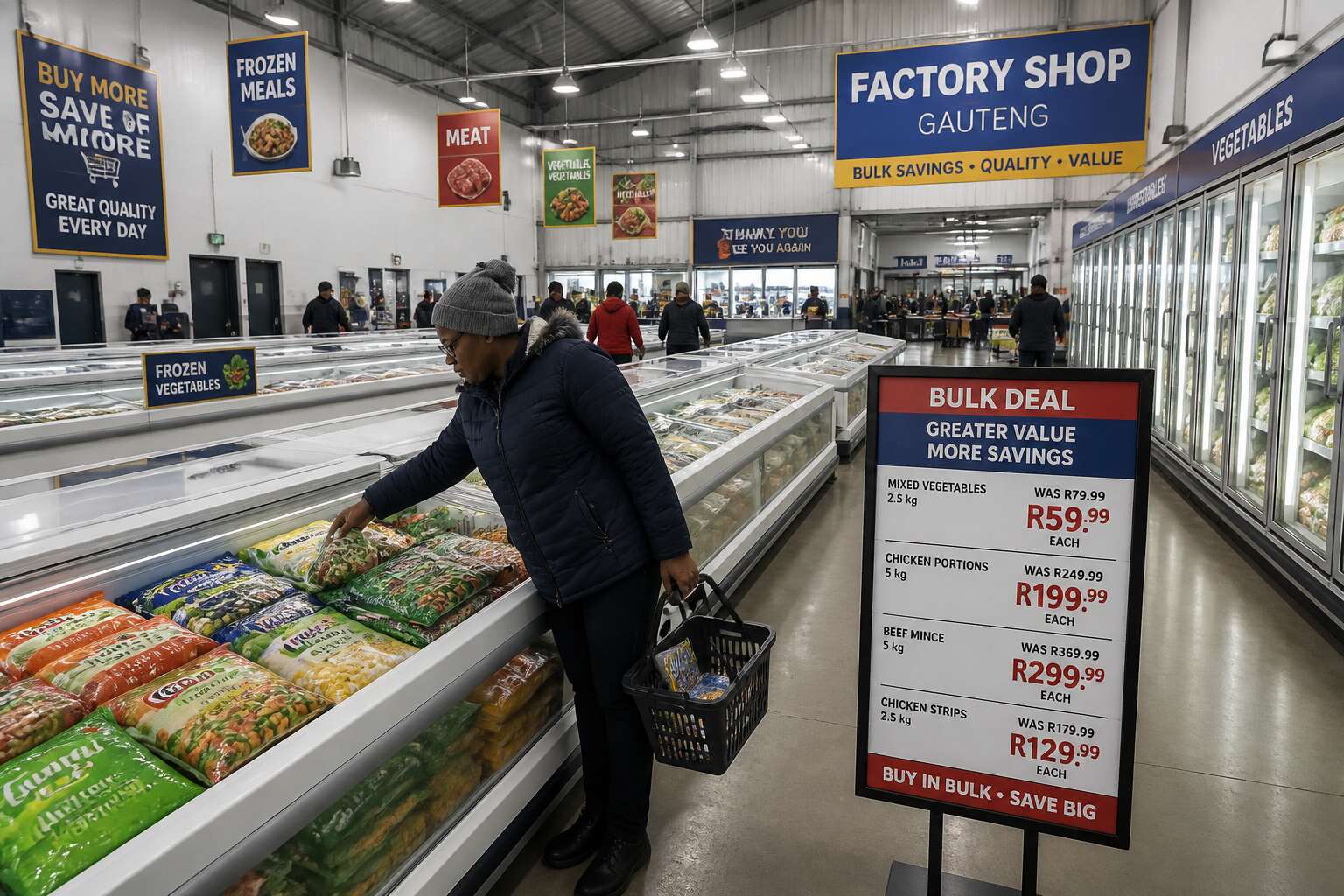
Understanding Factory Shops and Their Benefits
What Makes a Factory Shop Different from a Retail Store
“`html
I have stood in factory shop queue lines where a trolley of frozen chicken and hake costs less than a single supermarket basket. That difference is not a fluke. Factory shops operate from warehouses and production sites, selling directly to the public without the distribution layers that inflate retail prices. The savings are structural, built into the business model itself.
What separates a factory shop from a retail store goes deeper than price tags. Retail stores curate experiences. They invest in lighting, signage, and shelf positioning. Factory shops invest in refrigeration and volume. Their business depends on moving frozen stock quickly at margins that make supermarket buyers wince.
Expect a stripped-down environment:
- pallets of frozen hake from the adjacent plant
- crates of chicken portions with plain packaging
- bags of mixed vegetables at wholesale-adjacent prices
The product beneath those labels remains identical to what retailers receive. That is why cheap frozen food factory shops gauteng attract dedicated followings. By cutting every cost that does not affect the food itself, they turn industrial efficiency into everyday savings.
“`
Why Factory Shops Can Offer Such Low Prices
Most shoppers never see the numbers behind their grocery bill. When you buy frozen food from a factory shop in Gauteng, you are paying for the product itself, not the journey it took to reach a shelf. These outlets sit right next to production lines, which means the cold chain is short, direct, and far less expensive to maintain. That single fact changes everything.
Understanding factory shops starts with their distribution model. There is no middleman taking a cut, no brand marketing budget hidden in the price, and no expensive mall lease. What you get is the same frozen chicken, hake, or vegetables that go to retail stores, but at a price that reflects the true production cost. The savings come from removing everything that does not touch the food.
Here is what factory shops cut to keep prices low:
– Transport costs, because goods move from the plant to the shop next door.
– Packaging expenses, since most products come in plain, bulk bags.
– Advertising, as these shops rely on word of mouth and loyal regulars.
– Storage overhead, because stock turns over quickly.
These are not clever gimmicks. They are the reasons why cheap frozen food factory shops gauteng keep pulling in buyers who refuse to overpay. The savings are real because the system is efficient, not because the quality is lower. In fact, the opposite is true. Products move so fast that they are often fresher than what sits on supermarket shelves for days. That is the quiet advantage of buying where the food is made.
The Economics of Buying Directly from the Source
The quietest revolution in Gauteng’s food economy happens next to industrial parks, where the curtain lifts on a very different kind of transaction. To appreciate the allure of cheap frozen food factory shops gauteng, one must first discard the theatre of the supermarket aisle. The polished floors, the ambient lighting, and the cheerful branding are all part of a performance that you pay for, often without a receipt line item. In a factory shop, that theatre is gone. What remains is the product, sitting in a plain bag, hawking its shame under a dimmer light.
This directness is not merely a quirk of retail; it is a structural advantage. When you purchase from a source, you are effectively buying the commodity before it has been dressed for the parade. The economics are starkly honest. There is no clause for a marketing department’s coffee budget, nor a line for the rent of a glass storefront. The price tag reflects the sum of the parts, the cold storage, the labour, and the chicken. That is the entire story. The relationship is transactional, unadorned, and refreshingly straightforward. These savings are the result of a deliberate choice to skip the spectacle, leaving your wallet intact.
Best Areas in Gauteng to Locate Factory Shops
The East Rand’s Industrial Hubs and Wholesale Districts
Gauteng’s true bargain hunters know the East Rand is not a place you happen upon; it is a destination you approach with intent. The industrial corridors stretching from Germiston through Isando and into Jet Park form the beating heart of the region’s wholesale economy. Here, a curious geometry applies: the further you travel from the gleaming shopping malls, the closer you get to the source of the savings. The roads are scarred by heavy trucks, the air smells of diesel and promise, and the buildings are decidedly unglamorous. That is the point.
This is where you will find the bulk of the province’s food manufacturing plants, and where cheap frozen food factory shops gauteng operate with a refreshing lack of pretension. The factory shop floor is often little more than a repurposed loading bay, but the freezers are packed and the prices make the pilgrimage worthwhile.
Wholesale districts in the area are clustered with a logic that rewards the observant. Navigating them requires a certain social dexterity, as these are working environments, not retail showrooms.
– Always check the production dates on frozen goods; you are buying surplus, not expired stock.
– Be prepared to pay in cash, as some smaller outlets have a distinct preference for it.
– Observe the regular buyers, usually restaurant owners, and follow their lead to the best stock.
The true connoisseur of a bargain learns to read the industrial landscape. I have seen novice shoppers overwhelmed by the sheer scale of the operations, while veterans move with the calm efficiency of professionals. There is an unspoken etiquette at the counters, a shared understanding that everyone is there for the same reason. The best haunts are often tucked behind unmarked steel doors, discovered only through word of mouth and a willingness to explore. It is a world away from the sanitised aisles of a supermarket, offering a more honest transaction in exchange for a little effort.
Johannesburg South and Surrounding Business Parks
Johannesburg South feels different. The business parks around Selby and City Deep sit within earshot of the M1, their loading bays hidden behind razor wire. These precincts host smaller producers, often family owned operations lacking the scale of the East Rand giants. Their factory outlets are more elusive, sometimes requiring a phone call first, but the prices reflect leaner overheads.
For those hunting cheap frozen food factory shops gauteng, the search leads toward Crownwood Road and the warehouses near Rand Show Road. The stock is erratic, but the bargains are genuine. The most reliable cheap frozen food factory shops gauteng hide in the quieter business parks.
- Aeroton, where cold storage facilities press against the highway.
- Robertville, reached through afternoon traffic.
- Linbro Park, a weathered alternative to the crowded eastern corridors.
These parks reward persistence over planning. Midweek mornings reveal boxes of frozen pastries at prices well below supermarket levels.
Pretoria and Tshwane’s Key Wholesale Corridors
The northern arc of Tshwane holds its own rhythm. Rosslyn’s industrial belt runs quieter than the East Rand, but the frozen food warehouses along Brits Road move serious volume. Pretoria West follows as a maze of aging factories where wholesale prices shift weekly. Waltloo completes the picture, small cold storage units tucked beside railway sidings.
For anyone mapping cheap frozen food factory shops gauteng, these corridors reward patience and local knowledge:
1. Rosslyn, where meat processors sell directly from the loading dock.
2. Pretoria West, known for frozen vegetable repackers.
3. Waltloo, a scattering of family run distributors.
Stock reflects regional taste, biltong flavoured pies, boerewors rolls, and pre cooked pap portions.
West Rand and Outer Region Hidden Gems
The West Rand receives far less attention than the East Rand’s industrial hubs. While bargain hunters swarm those corridors, Krugersdorp’s industrial pockets and Randfontein’s mining-era warehouses hold quiet inventory. Driving the N14 west feels like stepping into a different economy. Slower, dustier, and full of prices from decades past.
For anyone tracking down cheap frozen food factory shops gauteng, the outer regions reward specific curiosity. Westonaria hides repackers who serve mining hostels. Muldersdrift’s rural warehouses cater to catering companies with bulk offcuts. I have watched shoppers fill bakkies with a month of meat for the price of one suburban braai basket!
- Krugersdorp: processed chicken and braai packs from loading bay sales.
- Randfontein: frozen tripe and offal specialists near old mine shafts.
- Westonaria: bulk pap portions and stew cuts for hostel kitchens.
The stock leans practical. It feeds families and workers, not dinner parties. That is the point.
Types of Frozen Food Products You Can Expect to Find
Frozen Vegetables, Fruit, and Seasonal Produce
On any given Tuesday morning, the sheer volume of produce moving through these industrial corridors is staggering. Factory shops offer a portal to this abundance, where the only thing more impressive than the scale is the price tag. Here, you will find a cornucopia of frozen vegetables, from the ubiquitous pea and carrot mix to more esoteric finds like baby marrow and butternut cubes. The real treasure, however, often lies in seasonal fruit, which is flash-frozen at the peak of its ripeness, locking in nutrients and flavour that often surpasses the “fresh” offerings in your local supermarket.
The selection is not merely about convenience; it is a lesson in supply chain efficiency. These shops are the clearinghouses for surpluses and overruns, which means a steady rotation of stock that changes with the harvest calendar. You might discover:
– Whole bags of spinach or kale for smoothies
– Berry medleys and mango slices for baking
– Chunky vegetable mixes for soups and stews
Navigating this frosty landscape is an exercise in practical economy. For families, the ability to purchase a twenty-kilogram bag of frozen mixed vegetables for a fraction of the retail cost is a game changer. It is the kind of variety that allows for meal planning without the pressure of spoilage, transforming the humble freezer into a treasure trove of culinary potential. This is the quiet, reliable magic of a cheap frozen food factory shop in Gauteng.
Meat, Poultry, and Processed Options
Move past the produce freezers and you hit the meat section. This is where bulk beef patties, chicken fillets, and boerewors coils sit in industrial packaging that would make a butcher pause. The labels are plain, the portions generous, the savings significant.
These factory shops source direct from processing plants, so you buy exactly what a restaurant would receive, minus the hospitality markup. I have walked out with a case of chicken wings for less than the price of two takeaway meals. Typical finds include:
- Frozen chicken pieces in twenty kilogram cases
- Pre-formed burger patties stacked by the dozen
- Marinated meat portions ready for the braai
- Sausages and processed cold meats in bulk rolls
Stock rotates with production cycles. One week delivers a surplus of lamb chops, the next brings crates of smoked viennas. A trip to a cheap frozen food factory shop gauteng rarely follows the same script twice!
Ready-Made Meals and Convenience Foods
Past the produce freezers and the meat racks, you will find the ready-made meal section. These are the trays of lasagna, the boil-in-bag curries, and the oven-ready pies that feed South African households when cooking feels like a chore. Cheap frozen food factory shops gauteng stock them by the carton, sourced from the same commercial kitchens that supply restaurants.
A typical visit might reveal:
– Pre-plated meals, meat, starch, and vegetables sealed in trays
– Frozen pizzas in flat stacks, box after box
– Bags of pre-cooked rice and stir-fry vegetables
– Battered hake portions ready for a Friday night deep fry
The portions assume a family of four or a very dedicated leftover enthusiast! Restaurant suppliers charge triple for the identical product. Factory shops just need the pallets gone.
Seafood and Fish Specials
The seafood freezer at a factory shop has a particular gravity. It pulls you in with the weight of the ocean, preserved in ice. Cheap frozen food factory shops gauteng hold inventory that missed the restaurant delivery window, and that is where the bargains surface.
Skip the supermarket’s polite little packets. Here, you find:
– Whole hake, gutted and frozen solid, stacked like timber
– Calamari tubes in bulk bags, enough for a dozen servings
– Prawns with heads on, shells glittering with frost
– Smoked snoek fillets, vacuum sealed and ready for the braai
The cold air bites your fingers as you dig through the crates. The fish is not fancy, but it is honest, and it is cheap.
Frozen Dairy, Desserts, and Baked Goods
The scene shifts when you move past the fish. “The bakery gives us whatever the trucks cannot deliver,” says the manager of a Germiston factory shop, pointing to a pallet of frozen cheesecakes. Dairy, desserts, and baked goods arrive the same way. The cheap frozen food factory shops gauteng stock these items without ceremony.
You will find:
- Bulk ice cream tubs in catering sizes
- Frozen cheesecake slices, individually wrapped
- Butter blocks from commercial dairies
- Pre-proofed croissants and baguettes
The turnover is brisk. One week I find Danish pastries from a Sandton caterer; the next, only frozen churros. The stock changes without warning, so regulars buy in bulk without hesitation. The desserts are not defective. Surplus is their only flaw.
Smart Strategies for Shopping at Frozen Food Factory Shops
Understanding Pricing Structures and Wholesale Rates
Factory shop pricing operates on a different arithmetic. Retailers routinely mark up frozen goods by 30 to 50 percent, but buying directly from the source strips away intermediary margins. Understanding the tier system matters: per unit prices drop sharply at case quantities, and pallet purchases unlock rates that rival wholesale cash and carry outlets.
Shoppers who compare across cheap frozen food factory shops gauteng discover that pricing structures differ by product line and season. Some shops quote ex VAT, while others include it in the shelf label, so always confirm before tallying your basket.
Before you load a trolley, check:
– Price per kilogram versus price per pack, since packaging weights vary
– Minimum order volumes that trigger the lower bracket
– Buy by dates, as older stock often carries steeper discounts
– Whether bulk rates apply to mixed flavours or only single SKUs
These small details determine whether you actually save. Wholesale rates reward planned purchases, not impulse grabs, so a short list of target prices makes every rand work harder.
Bulk Buying Considerations and Storage Solutions
Shopping at cheap frozen food factory shops gauteng rewards a deliberate hand. The thrill of a bargain fades fast when a 10 kilogram bag of mixed vegetables ends up buried under ice crystals for six months. Before you commit to a pallet, measure your actual freezer capacity. A chest freezer in the garage runs more efficiently when packed full, but overloading blocks airflow and ruins the motor.
Bulk buying only works when the savings per unit outpace the cost of storage. Calculate the price per portion, not just the price per bag. That frozen chicken braai pack might look like a steal until you realise you lack the space to freeze it flat.
Consider these storage tactics for large hauls:
– Portion meat into single meal sizes before freezing, using a marker to date every pack
– Keep a running inventory on the fridge door, so you rotate older stock first
– Use vacuum sealer bags to stop freezer burn on fish and ready-made meals
A cheap frozen food factory shops gauteng run becomes a win when you match the deal to your storage reality. One shopper’s bargain is another’s wasted electricity. Plan the space first, then fill the trolley. That is the quiet arithmetic of real savings.
Best Times to Shop for Fresh Stock and Clearance Deals
The best time to visit a cheap frozen food factory shops gauteng is the hour the delivery truck leaves. Stock rotation follows a predictable schedule. Fresh pallets land early in the week, often Tuesday or Wednesday. The clearance bins fill late on Friday afternoons, when warehouses clear space for the weekend. Monday mornings hold the remnants of the previous week’s bargains, scattered and overlooked, and I have found the best picks vanish before 8am!
- Ask the cashier when the next delivery arrives.
- Arrive before the first rush, usually before 9am.
- Check the back corners for marked-down boxes.
Timing turns a cheap frozen food factory shops gauteng run into a precise calculation. The same bag of hake fillets costs less at 4pm on a Friday than at 10am on a Monday. That is the arithmetic of cold storage.
Maximising Value with Loyalty Programs and Cash-on-Delivery Options
Loyalty programs at cheap frozen food factory shops gauteng operate on a simple principle: they reward the stubborn shopper. The more often you return, the deeper the discounts become. Some outlets offer points per rand, while others hand out discount vouchers after a certain spend threshold.
Cash-on-delivery options add another layer of savings. Many cheap frozen food factory shops gauteng let you reserve a bulk order and pay only when the goods arrive. This protects your wallet from dead stock. It also gives you leverage to inspect the packaging before handing over a single rand.
Here is what to look for when signing up:
– A points system that converts to actual cash off, not free branded merchandise.
– COD policies that permit partial rejection of damaged boxes.
The trick is to ask for the programme terms upfront. Most cashiers will happily explain the fine print, especially if you arrive midweek when the queues have died down.
Quality and Safety Considerations When Buying Bulk Frozen Food
Checking the Cold Chain and Storage Conditions
Bargain hunting at cheap frozen food factory shops gauteng requires a detective’s eye for cold chain integrity. The price per kilogram means nothing if the product thawed on the loading dock. A freezer’s hum is reassuring; silence is a warning.
Check these indicators before committing to bulk purchases:
– Ice crystals on packaging signal temperature fluctuation.
– Pooling water on the freezer floor suggests defrost cycles.
– Thermometers at eye level, not wall mounted, give honest readings.
Ask staff about delivery schedules. A factory shop receiving goods twice weekly maintains fresher stock than one accepting monthly deliveries. Your freezer needs a steady negative 18 degrees Celsius, so confirm your capacity before buying 20 kilograms of anything.
Inspect Packaging, Labels, and Best-Before Dates
Packaging reveals what a price tag cannot. At cheap frozen food factory shops gauteng, the label is your primary evidence of quality. Torn film, crushed boxes, or frost inside the bag all point to mishandling somewhere along the way. Best-before dates matter, but so does the integrity of the seal. A damaged package invites freezer burn, which changes texture and taste long before the printed date expires.
Read the full ingredient list. Factory shops sometimes stock discontinued lines or overruns from major brands. These products are safe, but you need to know what you are buying. Look for:
– Clear product identification and manufacturer details
– Storage instructions printed in full
– Batch codes that match the outer carton
The weight on the label should match the contents. Ice buildup inside the packaging means water loss, which means you are paying for frozen moisture rather than actual food. A sour or off odour from frozen goods is a warning sign that no discount can justify, even at cheap frozen food factory shops gauteng.
Safe Defrosting and Refreezing Guidelines
Bulk buying at cheap frozen food factory shops gauteng puts the responsibility of cold chain integrity in your hands. I always feel the bag before loading the trolley. A package that feels soft or shows pliability has already cycled through partial thawing. Eating it soon is fine; refreezing it is where problems start. Defrost food slowly inside a refrigerator, not on the counter. Quick thawing invites bacterial growth that changes the safety profile of the meal.
Even at cheap frozen food factory shops gauteng, safe refreezing depends on the food’s condition. If raw meat is still icy, it can return to the freezer safely. Once fully thawed, cook it first. For vegetables and ready meals, partial thawing tends to be harmless because they are already blanched or cooked. Establish a rotation system at home. The factory price means nothing if the product degrades in your own freezer. Keep your freezer at minus eighteen degrees and label every package with its purchase date.
What to Do If You Receive Damaged or Compromised Stock
A pallet of frozen goods hides its problems well. At cheap frozen food factory shops gauteng, volume buys mean one bad batch can sit in my freezer for weeks before I notice. The quality question is whether it holds up.
I run a home audit after every bulk purchase. I open each box, check the temperature of the middle items, and sniff for anything off. When I find compromised stock, I isolate it, photograph the damage, and return it with the receipt within two days.
Compromised stock includes:
- Broken seals or crushed corners
- Freezer burn or discolouration on meat
- Liquid pooling inside frozen bags
Retailers at cheap frozen food factory shops gauteng know that a low price does not excuse a bad product. The Consumer Protection Act backs you. Most will replace damaged stock if you bring evidence and the original packaging!
Budget Planning and Maximising Your Savings
Creating a Meal Preparation Plan for Bulk Purchases
Budget planning becomes practical when you pair bulk buying with a meal preparation plan. I map out two weeks of dinners before visiting cheap frozen food factory shops gauteng, and the difference is remarkable. This approach stops impulse purchases and keeps spending predictable. One trip replaces multiple grocery store stops, reducing transport costs and decision fatigue.
A solid plan also ensures variety. Group ingredients by protein, starch, and vegetables. For example:
– Assign each freezer shelf a category
– Use labelled containers for portions
– Rotate meals weekly to avoid monotony
When cheap frozen food factory shops gauteng run specials on mince or chicken fillets, I adjust the menu immediately. The result is a lower cost per meal without sacrificing quality.
Cooking, Portioning, and Home Freezing Techniques
The price tag on a kilogram of frozen chicken at cheap frozen food factory shops gauteng tells me what to cook for the next fortnight. Budget planning works backwards from that number, not from a list. I divide the price by the portions, mark containers.
Cooking in batches multiplies those savings. One pot of chilli, portioned into sealed containers, becomes six lunches. One cooking session uses less electricity than six separate ones.
Home freezing techniques require attention. Cooked food must cool before freezing to preserve texture. Every packet gets a label with the date and contents. Flat stacking saves space and speeds defrosting.
A three point rotation system keeps the stock organised: first in first out on every shelf, a weekly inventory on the freezer door, and portion sizes matched to actual appetite.
When the writing on the labels matches the plan on paper, the freezer accounts for every rand.
Calculating the True Cost Savings Against Retail Prices
The real win at cheap frozen food factory shops gauteng is arithmetic, not impulse. I compare unit prices, not package totals. Retail charges R89.99 for 750g; the factory shop sells 2kg for R120. The per-kilogram difference changes your budget. My spreadsheet, yes, a spreadsheet, tracks trips. It reveals savings of 38% on proteins and 25% on vegetables. Then I subtract fuel or delivery costs. The true figure shrinks but stays meaningful.
For a quick check on any item:
- Work out rand per kilogram at both stores.
- Account for pack sizes and serving counts.
- Include travel costs if you drive more than 20 kilometres.
That calculation keeps me honest. The savings fund the freezer’s electricity.

0 Comments